Iran is set to dominate the Middle East’s oil and gas transmission pipeline sector over the next two years, accounting for approximately 38% of the region’s planned and announced pipeline additions by 2027, according to a recent report by GlobalData. (GlobalData)
Strategic Expansion of Pipeline Infrastructure
Between 2023 and 2027, Iran plans to add a total of 6,110 kilometers of oil and gas transmission pipelines, comprising 5,340 kilometers of planned pipelines and 770 kilometers of announced projects. These developments are primarily driven by the need to meet escalating domestic energy demands and to bolster export capabilities. (GlobalData)
The majority of these projects are natural gas pipelines, reflecting Iran’s strategy to enhance its natural gas infrastructure to support its industrial, petrochemical, and residential sectors. (GlobalData)
Key Pipeline Projects
1. IGAT XI (Iranian Gas Trunk Line XI)
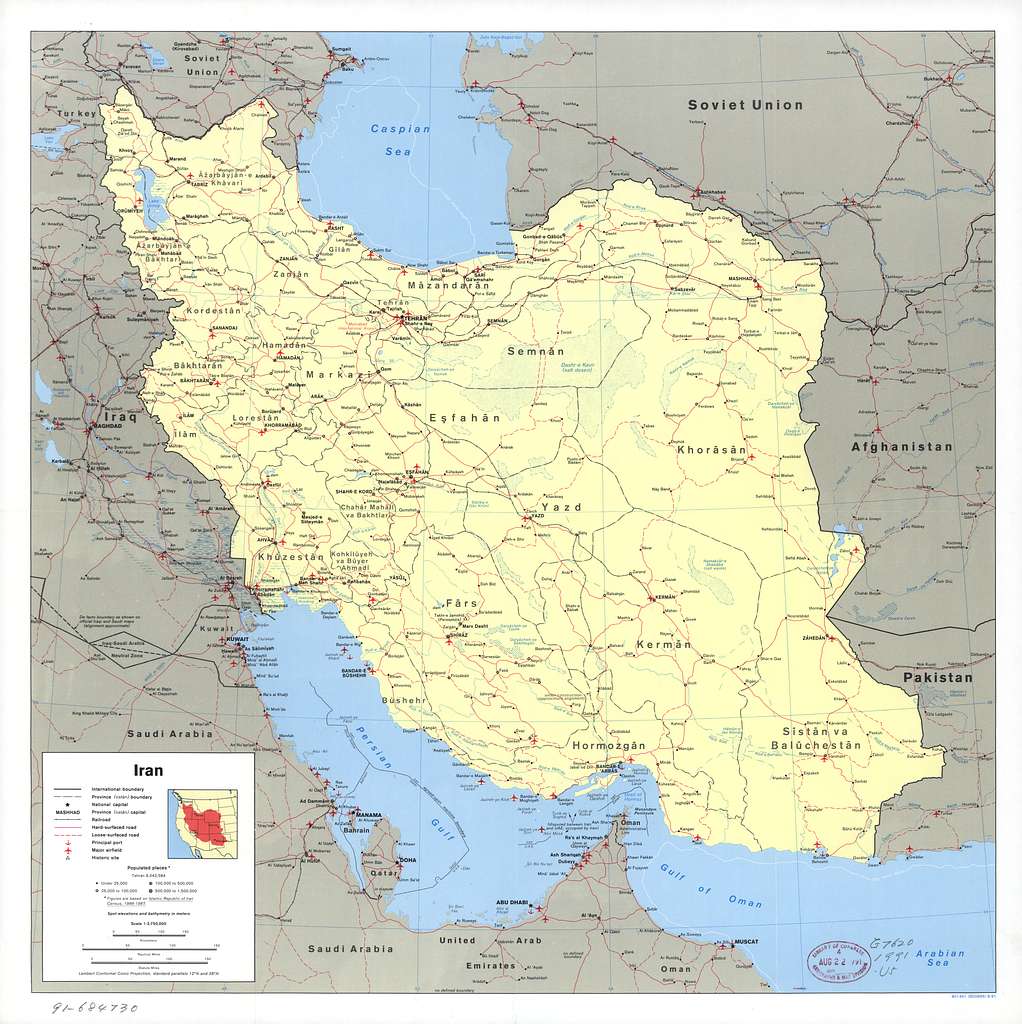
The IGAT XI pipeline is the most significant upcoming transmission project in Iran. Spanning 1,200 kilometers, this onshore gas pipeline is currently under construction and is expected to commence operations in 2026. Once operational, it will serve provinces such as Bushehr, Fars, Yazd, and Isfahan, addressing the growing gas demand in these regions.
2. Goureh–Jask Oil Pipeline
The Goureh–Jask oil pipeline, with a length of 1,000 kilometers, is another critical project in Iran’s pipeline expansion plan. This onshore oil pipeline will facilitate the transportation of crude oil to the Jask oil terminal for storage and export, providing Iran with an alternative export route that bypasses the Strait of Hormuz.
Regional Implications
Iran’s aggressive pipeline expansion strategy positions it as a dominant player in the Middle Eastern energy landscape. The country’s substantial investments in pipeline infrastructure are expected to enhance its energy security, facilitate increased exports, and strengthen its geopolitical influence in the region.
However, these developments also have implications for neighboring countries and regional dynamics. For instance, the expansion of Iran’s pipeline network may affect energy transit routes and influence the energy policies of neighboring nations.
Iran’s commitment to expanding its oil and gas transmission pipeline infrastructure underscores its strategic focus on energy security and export capacity. With significant projects like the IGAT XI and Goureh–Jask pipelines nearing completion, Iran is poised to reinforce its position as a leading energy exporter in the Middle East by 2027.